Virtual Production Hardware Buying Guide 2025

The film industry continues its rapid transformation toward digital workflows, with virtual production hardware becoming the backbone of modern content creation. Studios worldwide are investing billions in cutting-edge technology that enables real-time visual effects, immersive environments, and unprecedented creative control. This comprehensive production equipment guide examines every component necessary for building a professional virtual production facility in 2025.
Whether you're planning a small indie studio or a major production facility, understanding the hardware landscape is critical for making informed investment decisions. From high-resolution LED walls to precision tracking systems, each component plays a vital role in creating seamless virtual environments that rival traditional sets while offering infinite creative possibilities.
Understanding Virtual Production Hardware Fundamentals
Virtual production setup requires a sophisticated ecosystem of interconnected technologies working in perfect harmony. Unlike traditional filmmaking equipment, virtual production systems demand real-time processing capabilities, ultra-low latency communication, and pixel-perfect synchronization across multiple devices.
The foundation of any virtual production facility consists of four primary hardware categories: display technology, tracking systems, rendering hardware, and control infrastructure. Each category contains multiple specialized components that must be carefully selected based on your specific production requirements, budget constraints, and long-term growth plans.
Modern virtual production workflows rely heavily on LED wall technology that provides both the visual backdrop and practical lighting for scenes. These displays must maintain color accuracy, brightness consistency, and refresh rates that synchronize perfectly with camera frame rates to prevent visual artifacts or flickering.
Essential LED Wall Hardware for Professional Studios
LED wall hardware represents the most significant investment in any virtual production facility, typically accounting for 40-60% of total equipment costs. Professional-grade LED panels designed for film production offer superior color reproduction, brightness control, and viewing angles compared to standard display panels.
Pixel Pitch and Resolution Requirements The pixel pitch of your LED wall determines viewing distance and image quality. Fine pixel pitches between 1.2mm and 2.6mm work best for close-up shots and detailed work, while larger pitches can suffice for background elements or wide shots. Consider your typical camera distances and shot requirements before making this critical decision.
Color Accuracy and Calibration Systems Professional LED walls must maintain consistent color temperature and accuracy across all panels. Look for systems offering DCI-P3 color gamut coverage and built-in calibration capabilities. Hardware-based color management ensures consistent results regardless of content or environmental conditions.
Refresh Rate and Camera Synchronization High refresh rates prevent flicker and rolling shutter artifacts when filming. Professional LED walls should support refresh rates of at least 3840Hz with variable refresh capabilities to match different camera frame rates and shutter angles.
Panel Construction and Durability Film production environments demand robust hardware that withstands frequent setup changes, temperature variations, and intensive daily use. Magnesium alloy construction, IP-rated protection, and modular design enable reliable long-term operation.

Camera Tracking Equipment: Precision Motion Capture Systems
Camera tracking equipment forms the nervous system of virtual production setups, enabling real-time perspective correction and environmental interaction. Advanced tracking systems monitor camera position, orientation, and movement with millimeter precision, ensuring virtual backgrounds respond naturally to camera motion.
Optical Tracking Solutions Optical tracking systems use multiple high-resolution cameras to track reflective markers attached to film cameras and other objects. These systems offer exceptional accuracy and low latency but require careful lighting management and clear line-of-sight between trackers and markers.
Mechanical Tracking Integration Mechanical tracking systems integrate directly with camera support equipment like cranes, dollies, and pan-tilt heads. These systems provide extremely reliable data but may limit camera movement flexibility compared to optical solutions.
Hybrid Tracking Approaches Modern productions often combine multiple tracking technologies to achieve optimal results. Hybrid systems might use optical tracking for primary position data while incorporating IMU sensors for rapid movement detection and mechanical encoders for precise repeatability.
Real-Time Data Processing Tracking data must be processed and transmitted to rendering systems within milliseconds to maintain visual synchronization. High-performance computing systems with dedicated processing cards handle complex calculations while maintaining ultra-low latency communication protocols.
High-Performance Rendering and Computing Infrastructure
Virtual production demands unprecedented real-time rendering capabilities that surpass traditional post-production workflows. Modern rendering hardware must generate photorealistic imagery at high resolutions and frame rates while responding instantly to camera movements and creative adjustments.
GPU Cluster Architecture Professional virtual production facilities typically deploy multiple high-end graphics cards working in parallel to handle complex scenes. NVIDIA RTX series cards optimized for real-time ray tracing provide the computational power necessary for realistic lighting, reflections, and material rendering.
Memory and Storage Solutions Large virtual environments require substantial system memory and high-speed storage solutions. NVMe SSD arrays with RAID configurations ensure rapid asset loading while sufficient RAM prevents performance bottlenecks during complex scenes.
Network Infrastructure Requirements Virtual production systems generate massive amounts of data that must be transmitted between multiple devices with minimal delay. 10-gigabit Ethernet networks with specialized protocols handle real-time data streaming while maintaining synchronization across all system components.
Cooling and Power Management High-performance computing equipment generates significant heat and requires substantial electrical power. Professional installations include redundant cooling systems and uninterruptible power supplies to maintain consistent operation during critical production periods.
Studio Control Systems and Workflow Integration
Professional virtual production facilities require sophisticated control systems that manage all hardware components from centralized interfaces. These systems enable operators to adjust settings, monitor performance, and coordinate complex sequences without interrupting the creative process.
Centralized Control Interfaces Modern control systems provide touch-screen interfaces that display real-time system status, performance metrics, and adjustment controls. Operators can modify LED wall content, adjust tracking parameters, and coordinate multiple cameras from a single workstation.
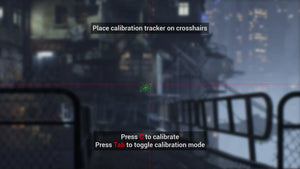
Automated Calibration Procedures Advanced systems include automated calibration routines that ensure consistent performance across all hardware components. These procedures verify color accuracy, tracking precision, and system synchronization while generating detailed reports for quality assurance.
Asset Management Integration Virtual production workflows generate enormous amounts of digital assets that must be organized, versioned, and accessed efficiently. Integrated asset management systems provide centralized storage with rapid retrieval capabilities and automatic backup procedures.
Remote Monitoring Capabilities Professional installations often include remote monitoring systems that allow technical teams to assess system health, perform diagnostics, and provide support without being physically present in the studio.
Budget Planning and ROI Considerations for 2025
Virtual production hardware investments require careful financial planning and realistic ROI projections. While initial costs can be substantial, the long-term benefits of reduced location shooting, faster turnaround times, and creative flexibility often justify the investment for active production facilities.
Entry-Level Studio Configurations Smaller studios can begin with basic LED wall systems, single-camera tracking, and modest rendering capabilities for budgets starting around $500,000. These configurations support typical commercial and episodic content while providing room for future expansion.
Mid-Range Professional Setups Professional facilities serving multiple clients typically invest $2-5 million in hardware that includes larger LED walls, multi-camera tracking, and redundant systems. These setups handle feature film requirements while maintaining operational flexibility.
Enterprise-Level Installations Major studios and facilities investing $10+ million create comprehensive virtual production environments with massive LED volumes, advanced tracking systems, and cutting-edge rendering capabilities that push the boundaries of what's possible in virtual filmmaking.
Financing and Leasing Options Many equipment manufacturers offer financing programs and leasing arrangements that spread costs over multiple years while providing upgrade pathways as technology evolves. These programs can significantly reduce initial capital requirements while maintaining access to current technology.
Maintenance, Support, and Long-Term Operations
Virtual production hardware requires ongoing maintenance and support to ensure consistent performance throughout its operational life. Establishing relationships with qualified service providers and maintaining spare component inventory prevents costly production delays.
Preventive Maintenance Schedules Regular maintenance procedures include LED panel cleaning, calibration verification, and system performance testing. Establishing routine maintenance schedules prevents minor issues from becoming major problems during critical production periods.
Technical Support Partnerships Working with manufacturers and authorized service providers ensures access to expert technical support, software updates, and replacement components. These partnerships often include training programs that help staff maximize system capabilities.
Upgrade Pathways and Future-Proofing Technology evolution continues accelerating, making upgrade planning essential for long-term success. Modular system designs allow incremental improvements while maintaining compatibility with existing infrastructure investments.

Conclusion
Virtual production hardware represents a fundamental shift in how films and content are created, offering unprecedented creative control while streamlining traditional production workflows. Success in this rapidly evolving field requires careful planning, strategic investment, and ongoing commitment to technological advancement.
The hardware decisions you make in 2025 will influence your production capabilities for years to come. Focus on systems that offer scalability, reliability, and integration capabilities rather than simply pursuing the latest specifications. Remember that the most expensive equipment isn't always the best choice – select hardware that aligns with your specific production requirements and long-term business objectives.
Building a successful virtual production facility requires balancing cutting-edge technology with practical operational needs. By understanding the fundamental hardware categories, evaluating your specific requirements, and planning for future growth, you can create a facility that delivers exceptional creative results while maintaining financial viability in an increasingly competitive market.
Frequently Asked Questions
Q: What is the minimum budget needed for a basic virtual production setup?
A: A functional virtual production studio requires a minimum investment of $300,000-$500,000 for basic LED wall systems, entry-level tracking equipment, and rendering hardware. This budget covers approximately 20 square meters of LED wall space, single-camera tracking, and modest computing power suitable for smaller productions and proof-of-concept work.
Q: How do I choose the right pixel pitch for my LED wall?
A: Pixel pitch selection depends on your typical camera distances and shot requirements. For close-up work and detailed shots, choose pixel pitches between 1.2mm-1.9mm. For medium shots and general use, 2.6mm-3.9mm provides good value. Wider shots and background elements can use larger pitches up to 5mm while maintaining acceptable image quality.
Q: What are the ongoing operational costs for virtual production hardware?
A: Annual operational costs typically range from 15-25% of initial hardware investment. This includes electricity consumption, maintenance contracts, software licensing, spare parts inventory, and technical support services. High-performance rendering systems and LED walls represent the largest ongoing expenses due to power consumption and component replacement needs.
Q: How often should virtual production hardware be upgraded?
A: LED wall technology typically maintains professional performance for 5-7 years with proper maintenance, while computing hardware requires more frequent updates every 2-3 years to maintain competitive rendering capabilities. Tracking systems generally last 3-5 years before newer technologies offer significant advantages worth upgrading.
Q: Can existing film equipment be integrated with virtual production systems?
A: Most professional film cameras, lenses, and support equipment integrate well with virtual production systems through specialized adapters and interfaces. However, some older equipment may require additional hardware or modifications to achieve optimal synchronization with LED walls and tracking systems.
Q: What technical expertise is required to operate virtual production hardware?
A: Virtual production operations require a blend of traditional film production skills and technical expertise in real-time graphics, networking, and system integration. Most facilities employ dedicated technical operators while training traditional crew members on virtual production workflows. Many manufacturers offer training programs to help teams transition to virtual production techniques.