Virtual Production Camera Setup Best Practices

The entertainment industry has transformed dramatically with the advent of LED wall technology and virtual environments. Modern virtual production camera systems require precise calibration and strategic positioning to achieve seamless integration between physical and digital elements. Professional cinematographers working with LED stages face unique challenges that demand specialized knowledge and refined techniques.
Setting up cameras for virtual production involves far more than traditional filming approaches. The interaction between camera sensors, LED wall refresh rates, and real-time rendering creates a complex technical ecosystem that requires careful consideration. Understanding these relationships is crucial for achieving professional results that match the quality expectations of major film and television productions.
Understanding Virtual Production Camera Requirements
Virtual production filming demands cameras that can handle high-resolution LED backgrounds while maintaining natural color reproduction. The primary challenge lies in synchronizing camera frame rates with LED wall refresh rates to prevent flicker, banding, and other visual artifacts that can compromise the final image quality.
Modern virtual production setups typically use cinema-grade cameras with global shutters to minimize rolling shutter effects. These cameras must support high frame rates, excellent low-light performance, and precise color science that matches the LED wall's color gamut. The camera's sensor size and lens selection directly impact the depth of field and perspective matching required for seamless foreground-background integration.
Professional productions often employ multiple camera configurations, including primary cameras for hero shots and witness cameras for visual effects tracking. Each camera position requires individual calibration to ensure consistent exposure and color matching across all angles. The complexity increases when working with moving cameras on tracks, jibs, or gimbals, as the tracking systems must maintain precise positional data throughout the movement.

Essential Camera Settings for LED Wall Integration
LED wall camera settings require careful attention to several critical parameters. Frame rate synchronization stands as the most important factor, as mismatched rates between cameras and LED walls create visible artifacts. Most professional LED walls operate at 23.976, 24, 25, or 29.97 fps, and cameras must match these rates precisely.
Shutter angle settings typically range from 180 to 270 degrees, depending on the LED wall's refresh rate and the desired motion blur characteristics. A 180-degree shutter angle provides natural motion blur that matches human perception, while wider angles may be necessary to eliminate flicker on certain LED configurations. Testing different shutter angles during pre-production helps determine optimal settings for each specific LED wall system.
Color temperature and white balance require special consideration in virtual production environments. LED walls often have different color characteristics than traditional lighting, necessitating custom white balance settings. Professional colorists recommend using a calibrated monitor and waveform display to ensure accurate color reproduction throughout the production process.
Camera Positioning and Movement Strategies
Strategic camera setup guide principles apply differently in virtual production environments. Camera placement must account for LED wall viewing angles, as off-axis viewing can cause color shifts and brightness variations. The optimal viewing angle for most LED walls falls within 30 degrees of perpendicular, requiring careful consideration of camera positions relative to the LED surface.
Tracking camera movements requires precise calibration between the camera tracking system and the real-time rendering engine. Professional systems use multiple tracking technologies, including optical tracking, encoder-based systems, and inertial measurement units. The tracking data must be processed in real-time to update the virtual background perspectives, maintaining proper parallax and depth relationships.
Focus pulling in virtual production requires understanding how foreground subjects interact with virtual backgrounds. The apparent depth of field depends on both the physical camera settings and the virtual background's depth information. Professional focus pullers often use wireless systems that provide precise control over focus transitions while maintaining proper integration with the virtual environment.
Lighting Integration for Natural Results
Production camera techniques in virtual production must account for the lighting contribution from LED walls. These massive displays provide significant illumination that affects the lighting setup for foreground subjects. Professional lighting designers create lighting plots that complement the LED wall's output while maintaining natural-looking results.
The color temperature of LED walls typically ranges from 5600K to 6500K, depending on the virtual environment being displayed. Practical lighting must match these color temperatures to prevent color casts and ensure seamless integration. Professional productions often use LED fixtures with adjustable color temperature to match the background lighting dynamically.
Controlling LED wall brightness becomes crucial for maintaining proper exposure relationships. The LED wall's brightness should match the intended lighting conditions of the virtual environment while providing appropriate illumination for foreground subjects. Professional monitoring equipment helps maintain consistent brightness levels throughout the production.
Advanced Camera Techniques for Virtual Production
Professional filming tips for virtual production include specific techniques for achieving cinema-quality results. Multiple camera angles require careful coordination to ensure consistent visual quality across all shots. Each camera position may require different settings to account for varying distances from the LED wall and different viewing angles.
Depth of field management in virtual production requires understanding how the camera's aperture settings affect both foreground subjects and the virtual background. Wide apertures that create shallow depth of field can help separate foreground subjects from the background, while smaller apertures may be necessary to maintain sharpness across the entire frame.
Exposure control becomes more complex in virtual production due to the varying brightness levels of different virtual environments. Professional cinematographers often use external monitors and histogram displays to ensure proper exposure across all elements of the frame. The exposure settings must account for both the LED wall's brightness and the practical lighting on foreground subjects.

Technical Troubleshooting and Quality Control
Common issues in virtual production camera setups include flicker, color banding, and perspective mismatches. Flicker typically results from frame rate mismatches between cameras and LED walls, while color banding can occur due to insufficient bit depth in the signal chain. Professional productions implement comprehensive quality control procedures to identify and resolve these issues quickly.
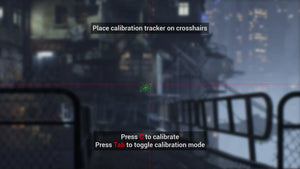
Perspective matching requires precise calibration between the camera's position and the virtual camera within the rendering engine. Small discrepancies in position, rotation, or lens parameters can create noticeable mismatches between foreground and background elements. Professional systems use automated calibration procedures to maintain accurate perspective matching throughout the production.
Regular calibration checks throughout the production day help maintain consistent quality. LED walls can drift in color temperature and brightness over time, requiring periodic adjustments to camera settings. Professional productions schedule calibration checks at regular intervals to ensure consistent results.
Workflow Integration and Data Management
Successful virtual production requires seamless integration between camera departments and technical teams. Camera settings, tracking data, and calibration information must be documented and shared across all departments. Professional productions use centralized data management systems to maintain consistency and enable quick troubleshooting.
The metadata generated by virtual production cameras includes traditional camera information plus additional data about LED wall settings, tracking information, and virtual environment parameters. This metadata becomes crucial during post-production for color grading, visual effects work, and quality control processes.
Backup systems for camera settings and calibration data prevent production delays due to technical issues. Professional productions maintain redundant systems for critical camera parameters and tracking data to ensure continuity throughout the production process.
Conclusion
Virtual production camera setup requires specialized knowledge that combines traditional cinematography with cutting-edge technology. Success depends on understanding the unique challenges of LED wall integration, maintaining precise calibration, and implementing professional workflows that ensure consistent quality.
The technical complexity of virtual production continues to evolve as LED technology advances and rendering capabilities improve. Professional cinematographers must stay current with these developments while maintaining focus on the creative aspects of storytelling. Proper camera setup serves as the foundation for all subsequent creative decisions in virtual production.
Investing in proper training and equipment for virtual production camera setup pays dividends throughout the production process. The time spent on careful calibration and testing during pre-production prevents costly issues during principal photography and post-production.

Frequently Asked Questions
Q: What frame rate should I use for virtual production cameras?
A: Match your camera frame rate exactly to the LED wall's refresh rate. Most professional LED walls operate at 23.976, 24, 25, or 29.97 fps. Mismatched frame rates cause visible flicker and banding artifacts that can compromise the final image quality.
Q: How do I prevent flicker when filming LED walls?
A: Use cameras with global shutters rather than rolling shutters, match frame rates precisely, and adjust shutter angles between 180-270 degrees. Test different shutter angles during pre-production to find the optimal settings for your specific LED wall configuration.
Q: What camera settings work best for LED wall integration?
A: Set your white balance to match the LED wall's color temperature (typically 5600K-6500K), use appropriate shutter angles to eliminate flicker, and ensure your camera's color science matches the LED wall's color gamut. Professional monitoring equipment helps maintain consistent settings.
Q: How important is camera tracking in virtual production?
A: Camera tracking is essential for maintaining proper perspective matching between foreground and background elements. Professional systems use multiple tracking technologies and require precise calibration to ensure accurate real-time background updates as cameras move.
Q: What are the most common camera setup mistakes in virtual production?
A: Common mistakes include mismatched frame rates causing flicker, improper white balance leading to color casts, insufficient camera tracking calibration resulting in perspective mismatches, and inadequate monitoring equipment preventing proper exposure control.