Setting Up CAVE Systems: Complete Installation Guide for Film Studios
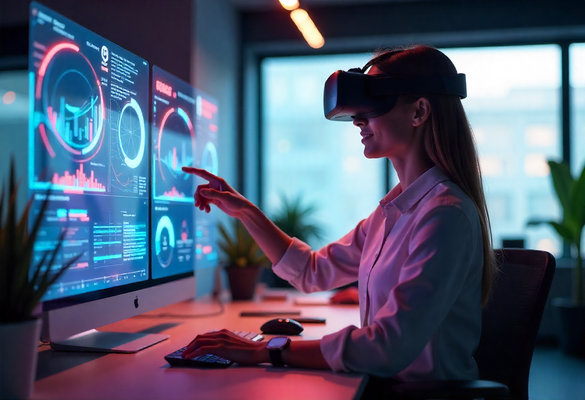
Film studios worldwide are transforming their production capabilities through CAVE system installation, creating virtual environments that revolutionize how movies are made. This technology enables directors, cinematographers, and production teams to visualize complex scenes, test lighting scenarios, and refine storytelling elements before actual filming begins.
CAVE technology setup represents a significant investment in your studio's future, requiring careful planning, precise technical implementation, and strategic facility design. Modern film studios utilizing these immersive systems report dramatic improvements in pre-production efficiency, creative collaboration, and overall production quality.
Understanding the intricacies of virtual production setup ensures your studio maximizes this investment while avoiding common installation pitfalls that can derail projects and inflate budgets. This guide provides the essential framework for successfully implementing CAVE technology in professional film environments.
Understanding CAVE System Requirements for Film Studios
CAVE system installation begins with evaluating your studio's specific needs and technical infrastructure. Film studios require different configurations than research facilities or educational institutions, with emphasis on cinematic quality, collaborative workflows, and production-specific applications.
The foundation of any successful virtual environment installation lies in understanding the core components that make CAVE systems function effectively. These systems integrate multiple technologies including high-resolution projectors, motion tracking sensors, audio systems, and powerful computing clusters that work together to create seamless immersive experiences.
Space requirements form the critical first consideration for film studio equipment planning. A typical CAVE installation requires a minimum room size of 12x12x12 feet for the projection space, plus additional area for control systems, cooling equipment, and user movement. Many film studios opt for larger configurations, with some installations reaching 20x20x15 feet to accommodate full production teams and equipment.
Environmental factors significantly impact CAVE technology setup success. The installation space must maintain consistent temperature and humidity levels, as projection equipment generates substantial heat and electronic components are sensitive to environmental fluctuations. Professional-grade HVAC systems specifically designed for AV installations are typically required.
Power infrastructure demands careful assessment, as CAVE systems consume significant electricity through multiple high-powered projectors, computers, and cooling systems. Most installations require dedicated electrical circuits with uninterruptible power supplies to prevent system crashes during critical production sessions.
Network infrastructure forms another crucial element, requiring high-bandwidth connections to handle real-time 3D graphics rendering and data transfer between system components. Dedicated gigabit Ethernet networks separate from general studio operations ensure optimal performance during virtual production sessions.

Planning Your Film Studio CAVE Installation
Successful CAVE system installation requires months of careful planning and coordination between multiple specialist teams. Film studios must balance technical requirements with creative needs while maintaining realistic budgets and timelines.
Site assessment forms the first critical step in virtual production setup planning. Professional installers evaluate structural elements including floor load capacity, ceiling height, wall construction, and existing electrical systems. Many older studio buildings require significant modifications to support modern CAVE installations.
Budget planning encompasses far more than equipment costs alone. Professional CAVE technology setup includes construction modifications, specialized electrical work, network infrastructure upgrades, environmental controls, and ongoing maintenance contracts. Studios typically allocate 30-40% beyond equipment costs for installation and infrastructure requirements.
Timeline coordination becomes critical when integrating CAVE installation with existing studio operations. Most installations require 8-12 weeks from construction start to final calibration, during which the installation space remains unavailable for other productions. Studios often schedule installations during traditional down periods to minimize operational disruption.
Team assembly requires identifying qualified professionals across multiple disciplines. CAVE installations typically involve AV integration specialists, network engineers, construction contractors, electrical technicians, and software specialists. Coordinating these teams effectively prevents delays and ensures proper system integration.
Vendor selection impacts both short-term installation success and long-term system reliability. Film studios should prioritize vendors with specific entertainment industry experience, as production environments present unique challenges different from academic or corporate installations.

Essential Equipment for Film Studio CAVE Systems
Modern CAVE installations require carefully selected components optimized for film production workflows. Equipment specifications directly impact system performance, visual quality, and long-term reliability in demanding production environments.
Projection systems form the visual foundation of any CAVE installation. Film studios typically require 4K or higher resolution projectors with cinema-grade color accuracy and brightness levels exceeding 6,000 lumens per projector. Most installations utilize 6-12 projectors depending on room configuration and desired viewing area coverage.
Computing infrastructure demands substantial processing power to render real-time 3D graphics across multiple display surfaces simultaneously. Professional CAVE systems typically employ multi-GPU workstations or server clusters with dedicated graphics cards for each projection surface. Memory requirements often exceed 64GB per workstation to handle complex 3D models and textures.
Motion tracking technology enables natural user interaction within virtual environments. Professional systems utilize multiple camera arrays or laser-based sensors to track user position and orientation with millimeter precision. This data drives real-time perspective adjustments ensuring accurate visual representation from any viewing angle.
Audio systems create spatial soundscapes that complement visual immersion. Professional installations incorporate multiple speaker arrays positioned around the CAVE space, often including subwoofers for low-frequency effects. Advanced systems utilize object-based audio processing to create realistic 3D sound environments.
Control systems integrate all components into cohesive, user-friendly interfaces. Professional CAVE installations include dedicated control rooms with specialized software for managing system operations, content delivery, and user sessions. These systems often integrate with existing studio workflows and asset management systems.
Technical Installation Process
CAVE system installation follows a carefully orchestrated sequence designed to minimize complications and ensure optimal performance. Professional installers typically work in phases, allowing for testing and adjustment at each stage.
Facility preparation begins with construction modifications including wall reinforcement for projection equipment, ceiling mounting points for tracking systems, and floor modifications for cable management. Environmental systems installation includes dedicated HVAC units, lighting controls, and acoustic treatments designed specifically for immersive environments.
Electrical infrastructure installation requires running dedicated power circuits, installing uninterruptible power supplies, and implementing proper grounding systems. Professional installations often include remote monitoring capabilities allowing technical staff to monitor system health and performance remotely.
Network infrastructure deployment involves installing high-performance switches, running dedicated fiber or copper connections, and configuring network protocols optimized for real-time graphics rendering. Proper network design ensures minimal latency and maximum throughput for demanding virtual production applications.
Equipment mounting and positioning requires precise measurements and alignment to ensure proper system geometry. Projector alignment typically requires laser measurement tools and specialized mounting hardware designed for projection applications. Even minor misalignments can significantly impact visual quality and user experience.
Software installation and configuration involves multiple phases including operating system optimization, graphics driver installation, CAVE-specific software deployment, and content management system setup. This phase often requires several days of configuration and testing to ensure all components work together properly.
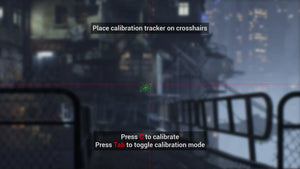
System calibration represents the final and most critical installation phase. Professional calibration involves geometric alignment of all projection surfaces, color matching between projectors, audio system tuning, and motion tracking accuracy verification. This process typically requires 2-3 days of detailed adjustments and testing.

Cost Analysis and Budget Planning
CAVE system installation costs vary significantly based on configuration size, equipment specifications, and facility requirements. Film studios should budget carefully for both initial installation and ongoing operational expenses.
Equipment costs typically range from $500,000 to $2 million for professional film studio installations. This includes projectors, computers, tracking systems, audio equipment, and control software. Higher-end systems with larger display areas and premium components can exceed these ranges significantly.
Installation costs often equal 30-50% of equipment costs, including facility modifications, electrical work, network infrastructure, and professional integration services. Studios with existing suitable spaces may reduce these costs, while older facilities requiring extensive modifications may exceed these estimates.
Ongoing operational costs include software licensing, maintenance contracts, replacement parts, and technical support. Annual operational costs typically range from 10-15% of initial system investment, though this varies based on usage intensity and maintenance requirements.
Return on investment calculations should consider both direct cost savings and indirect benefits. Studios report significant savings in pre-production time, reduced location scouting costs, improved creative collaboration, and enhanced client presentation capabilities. Many installations pay for themselves within 2-3 years through improved efficiency and new revenue opportunities.
Financing options include traditional equipment loans, leasing arrangements, and specialized AV financing programs. Many vendors offer financing packages specifically designed for professional AV installations, allowing studios to spread costs over multiple years while beginning immediate utilization.
Maintenance and Support Considerations
Professional CAVE installations require ongoing maintenance and support to ensure optimal performance and longevity. Film studios should plan for both routine maintenance and emergency support requirements.
Preventive maintenance includes regular cleaning of projection optics, filter replacements, software updates, and system health monitoring. Professional installations typically require monthly maintenance visits from qualified technicians to maintain peak performance levels.
Technical support arrangements should include both remote monitoring and on-site emergency response capabilities. Production environments cannot tolerate extended downtime, making rapid response times critical for maintaining studio operations.
Staff training ensures your team can operate systems effectively and identify potential issues before they impact production schedules. Most vendors provide initial training as part of installation, with ongoing training available as staff changes or system upgrades occur.
System upgrades and expansion capabilities should be considered during initial planning. Technology evolves rapidly, and systems designed with upgrade paths ensure long-term viability and performance improvements as new capabilities become available.