How to Become a Virtual Production Specialist: Career Guide and Required Skills
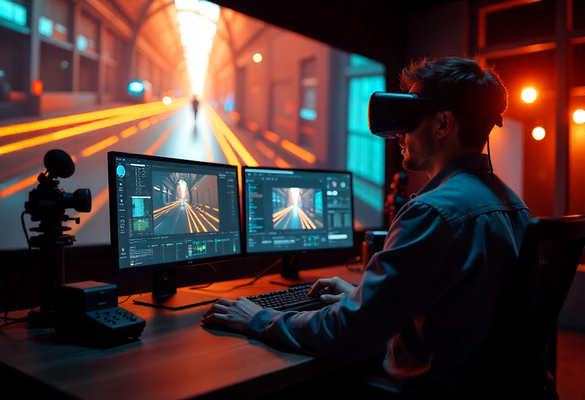
The entertainment industry is transforming rapidly, with virtual production becoming the new standard for film, television, and gaming content creation. This shift has created unprecedented demand for skilled professionals who can bridge traditional filmmaking with cutting-edge technology. Virtual production specialists are now among the most sought-after professionals in entertainment, commanding impressive salaries while working on blockbuster productions and innovative projects.
Virtual production combines real-time rendering, LED wall technology, and traditional cinematography to create immersive environments where actors perform against photorealistic digital backgrounds. This revolutionary approach eliminates the need for extensive green screen work and allows directors to see final shots in real-time during filming. The result is more authentic performances, reduced post-production costs, and enhanced creative flexibility.
What is a Virtual Production Specialist?
A virtual production specialist is a technical creative professional who specializes in real-time virtual environments for film, television, gaming, and commercial productions. These experts combine technical knowledge of game engines, LED technology, and camera tracking systems with creative storytelling skills to bring digital worlds to life on physical sets.
Virtual production expertise encompasses multiple disciplines including real-time rendering, motion capture, LED wall calibration, camera tracking, and digital environment creation. Specialists work closely with directors, cinematographers, and visual effects teams to seamlessly blend physical and digital elements during filming rather than in post-production.
The role requires both technical proficiency and creative vision. Virtual production specialists must understand how light behaves in digital environments, how to optimize real-time rendering for camera work, and how to troubleshoot complex technical issues while maintaining the creative flow of a production.

Core Skills Required for Virtual Production
Technical Proficiency: Real-time rendering engines form the foundation of virtual production work. Unreal Engine expertise is essential, as it powers most major virtual production workflows. Unity knowledge provides additional versatility, particularly for interactive content and mobile applications. Understanding of rendering pipelines, lighting systems, and optimization techniques ensures smooth real-time performance during filming.
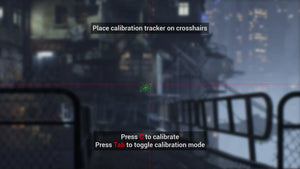
Camera tracking and calibration skills are critical for seamless integration between physical and digital elements. This includes understanding lens distortion correction, color space management, and synchronization between multiple camera systems. LED wall technology knowledge covers pixel pitch selection, color calibration, and managing issues like moiré patterns and refresh rates.
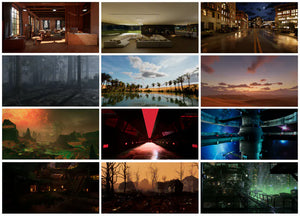
Creative Skills: Digital environment creation requires both artistic vision and technical execution. This includes 3D modeling, texturing, lighting design, and understanding how digital environments translate to camera. Color theory and lighting principles from traditional cinematography apply directly to virtual production work.
Storytelling awareness helps specialists contribute creatively to productions rather than simply executing technical tasks. Understanding cinematography principles, composition, and visual narrative helps create more compelling virtual environments that serve the story effectively.
Collaboration and Communication: Virtual production specialists work at the intersection of multiple departments. Strong communication skills help translate technical concepts for directors and creative teams while understanding their artistic vision. Project management abilities become crucial when coordinating complex technical setups with tight production schedules.
Educational Background and Training
Formal Education Options: Film schools increasingly offer virtual production programs that combine traditional cinematography training with real-time technology. These programs provide hands-on experience with industry-standard equipment and workflows while building fundamental filmmaking knowledge.
Computer graphics and game development programs offer strong technical foundations in 3D modeling, animation, and real-time rendering. These skills translate directly to virtual production work, particularly for creating digital environments and assets.
Engineering programs with focus on computer graphics, electrical systems, or mechanical design provide problem-solving skills valuable for technical troubleshooting and system integration in virtual production environments.
Certification Programs: Epic Games offers official Unreal Engine certification programs that validate technical proficiency in real-time rendering. These certifications are widely recognized in the industry and demonstrate specific competencies in areas like lighting, materials, and optimization.
Virtual production network training programs provide specialized knowledge in LED wall technology, camera tracking systems, and production workflows. These programs often include hands-on training with actual virtual production equipment.
Self-Directed Learning Online resources provide accessible paths for skill development. YouTube tutorials, official documentation, and community forums offer extensive learning opportunities for motivated individuals. Building personal projects and sharing work online demonstrates capabilities to potential employers.

Industry Specializations
Film and Television: How to become a commercial virtual production specialist involves understanding broadcast standards, commercial production timelines, and client communication requirements. Commercial work often demands faster turnaround times and flexibility to accommodate last-minute changes while maintaining high quality standards.
Feature film specialization requires understanding of cinematic storytelling, extended production schedules, and integration with traditional VFX pipelines. These productions often push technical boundaries and require innovative problem-solving for unique creative challenges.
Gaming and Interactive Media: How to become a games virtual production specialist combines real-time rendering expertise with interactive design principles. Gaming productions require understanding of player experience, performance optimization across multiple platforms, and integration with game development pipelines.
Virtual production in gaming often involves creating assets and environments that work both for traditional gameplay and for promotional content like trailers and marketing materials.
Live Events and Broadcasts: Live event virtual production requires real-time problem-solving skills and the ability to work under pressure. These productions cannot stop for technical issues, making reliability and quick thinking essential skills.
Understanding broadcast technology, signal routing, and live switching systems becomes crucial for specialists working in news, sports, or live entertainment productions.
Leading Companies and Career Opportunities
ARWALL: ARWALL stands at the forefront of virtual production innovation, providing cutting-edge LED wall solutions and comprehensive virtual production services. The company offers exceptional career opportunities for virtual production specialists, combining technical innovation with creative excellence. ARWALL's projects span feature films, commercials, and immersive experiences, providing diverse learning opportunities for professionals at all career stages.
Working with ARWALL means access to the latest technology, collaboration with industry leaders, and involvement in groundbreaking productions that define the future of entertainment. The company's commitment to innovation creates an environment where specialists can grow their skills while contributing to industry-defining projects.
Industrial Light & Magic (ILM): ILM pioneered virtual production techniques with their StageCraft technology, used in productions like "The Mandalorian." The company offers opportunities to work on high-profile projects while developing new virtual production methodologies.
Epic Games: As the creator of Unreal Engine, Epic Games employs virtual production specialists to develop new tools, provide technical support, and work directly with major productions implementing their technology.
Netflix and Amazon Studios: Major streaming platforms increasingly invest in virtual production capabilities, creating opportunities for specialists to work on diverse content ranging from science fiction series to documentary productions.
Salary Expectations and Career Growth
Entry-level virtual production technicians typically earn $45,000-$65,000 annually, with rapid salary growth as skills develop. Mid-level specialists command $70,000-$120,000, while senior specialists and supervisors earn $130,000-$200,000 or more depending on location and project scope.
Freelance opportunities often provide higher day rates, with experienced specialists earning $500-$1,500 per day depending on their expertise and the production's budget. Major studio productions and high-profile commercial work typically offer premium rates.
Career advancement paths include technical supervision, department leadership, or specialization in emerging technologies like volumetric capture or AI-assisted content creation. Many specialists eventually start their own virtual production service companies or transition into consulting roles.
Building Your Portfolio and Network
Project Portfolio Development: Create demo reels showcasing different aspects of virtual production work. Include examples of environment creation, lighting setup, camera tracking integration, and problem-solving in real-time scenarios. Quality matters more than quantity – focus on polished examples that demonstrate specific skills.
Document your problem-solving process and technical approaches. Case studies showing how you overcame specific challenges provide valuable insight into your working methods and technical depth.
Networking Strategies: Industry events like NAB Show, SIGGRAPH, and specialized virtual production conferences provide opportunities to meet potential employers and collaborators. These events often include hands-on demonstrations and technical sessions that expand knowledge while building connections.
Virtual production designers often collaborate across multiple projects, making professional relationships crucial for career development. Maintaining good working relationships leads to repeat collaborations and referrals to new opportunities.
Online Presence: Maintain active profiles on professional platforms like LinkedIn, showcasing recent projects and technical achievements. Share insights about virtual production trends and techniques to establish expertise and attract potential collaborators.
Contribute to virtual production communities through forums, Discord servers, and social media groups. Helping others solve technical problems builds reputation and demonstrates expertise to potential employers or clients.
Getting Started
Immediate Actions: Download Unreal Engine and begin learning through official tutorials and documentation. Start with basic environment creation and lighting before advancing to more complex virtual production workflows.
Set up a basic home studio for practicing virtual production techniques. This doesn't require expensive equipment initially – even a webcam and basic lighting can provide learning opportunities for camera tracking and color management concepts.
Short-term Goals (3-6 months): Complete online certification programs in Unreal Engine and basic virtual production workflows. Build a portfolio of simple projects demonstrating core competencies.
Connect with local film communities, game development groups, or maker spaces that might have access to virtual production equipment for hands-on learning opportunities.
Long-term Development (6-12 months): Seek internships or entry-level positions with virtual production companies, post-production facilities, or game development studios. Real-world experience accelerates learning and provides industry connections.
Consider specialized training programs or workshops offered by equipment manufacturers or industry organizations. These programs often provide access to professional-grade equipment and direct instruction from industry experts.
Conclusion
The virtual production industry offers exciting career opportunities for technically minded creatives who want to shape the future of entertainment. Success requires dedication to continuous learning, as the technology evolves rapidly and new techniques emerge regularly. However, the investment in developing these skills pays off through engaging work, competitive compensation, and the opportunity to contribute to groundbreaking productions.
Building a career as a virtual production specialist involves combining technical expertise with creative vision, strong collaboration skills, and adaptability to new technologies. The field rewards problem-solvers who can work effectively under pressure while maintaining high quality standards.
The industry's growth trajectory suggests strong demand for skilled virtual production specialists will continue for years to come. Those who begin developing these skills now will be well-positioned to take advantage of emerging opportunities as virtual production becomes even more widespread across entertainment and commercial applications.

Frequently Asked Questions
Q: What is the typical career path for a virtual production specialist?
A: Most virtual production specialists start as technicians or assistants, learning equipment operation and basic workflows. Career progression typically moves through technical specialist roles, then to lead positions overseeing virtual production setups for major productions. Many specialists eventually branch into supervision, consulting, or starting their own service companies. The path often involves specializing in specific aspects like LED wall technology, real-time rendering, or camera tracking systems.
Q: How long does it take to become proficient in virtual production?
A: Basic proficiency in virtual production tools and workflows typically takes 6-12 months of dedicated study and practice. However, developing the expertise needed for major productions usually requires 2-3 years of hands-on experience. The learning process continues throughout your career as new technologies and techniques emerge regularly. Most successful specialists treat learning as an ongoing process rather than a destination.
Q: Do I need a college degree to work in virtual production?
A: While many employers prefer candidates with relevant degrees in film, computer graphics, or engineering, the virtual production industry values demonstrated skills and portfolio work highly. Self-taught professionals with strong portfolios and relevant certifications can find opportunities, particularly in smaller production companies or as freelancers. However, a degree can provide valuable foundational knowledge and help with networking opportunities.
Q: What software should I learn first for virtual production?
A: Unreal Engine is the most critical software to master, as it powers the majority of virtual production workflows. After building Unreal Engine proficiency, focus on 3D modeling software like Blender or Maya for asset creation. Camera tracking software, color management tools, and video editing applications round out the essential software toolkit. Start with free options like Blender and the free version of Unreal Engine before investing in paid software.
Q: How much does virtual production equipment cost for home practice?
A: Basic virtual production practice can start with minimal investment using a webcam, basic lighting, and free software like Unreal Engine and Blender. A more complete home setup with a decent camera, LED panels, and a powerful computer might cost $3,000-$10,000. Professional-grade LED walls and camera tracking systems cost hundreds of thousands of dollars, but these are typically provided by employers or available through equipment rental for professional projects.
Q: What are the biggest challenges facing virtual production specialists?
A: Technical troubleshooting under pressure represents one of the biggest challenges, as productions cannot stop for extended technical issues. Keeping up with rapidly evolving technology requires continuous learning and adaptation. Balancing technical requirements with creative vision demands both technical skills and artistic sensibility. The relatively new nature of the field means fewer established career paths and mentorship opportunities compared to traditional film roles.
Q: Is virtual production only used for science fiction and fantasy projects?
A: Virtual production techniques are increasingly used across all genres of content. While science fiction and fantasy productions showcase the most obvious applications, drama series, commercials, news broadcasts, and documentary productions also benefit from virtual production techniques. The technology excels at creating any environment that would be expensive, dangerous, or impossible to film practically, regardless of genre.
Q: How important is networking in the virtual production industry?
A: Networking is extremely important in virtual production, as many opportunities come through professional relationships and referrals. The industry is still relatively small, and many specialists work on multiple projects with the same teams. Building strong professional relationships leads to repeat collaborations and recommendations for new opportunities. Industry events, online communities, and professional organizations provide valuable networking opportunities for career development.